


Exchange programs
The school has a rich policy of international relations, particularly in Europe thanks to the Erasmus+ program and bilateral agreements signed with excellent art schools and universities. This framework offers opportunities for semester to year-long mobility for Nantes' fine arts students.
Study stay in a European art school (ERASMUS +)
Stays in the European Union are carried out within the framework of the ERASMUS program.
Find out more:
+ More information on Erasmus grants on the Student Traveller website
This program provides special support for students with disabilities.
Erasmus+ grants can be awarded to students who wish to apply for a study mobility and/or an internship mobility abroad.
Studying outside the European Union
For stays outside the European Union, students can apply to several
exchange programs:
exchange programs:
The B.C.I (Bureau de Coopération Interuniversitaire) allows you to study in Quebec at one of the 11 member institutions of the program: http://echanges-etudiants.bci-qc.ca/
The cooperation/bilateral agreements allow you to carry out a mobility to partner institutions.
The cooperation/bilateral agreements allow you to carry out a mobility to partner institutions.
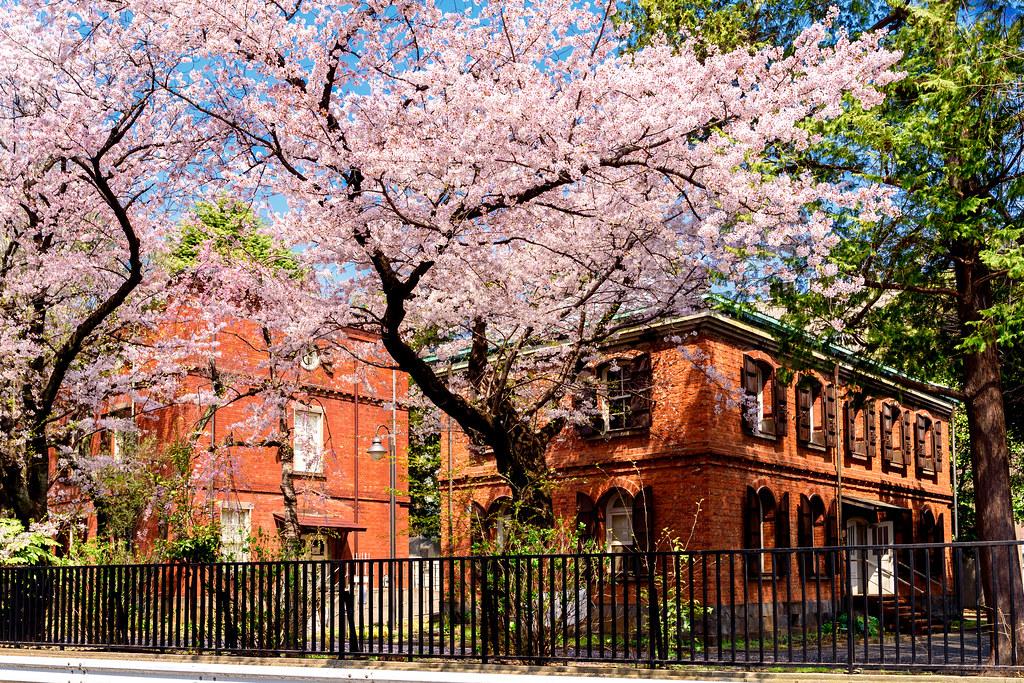
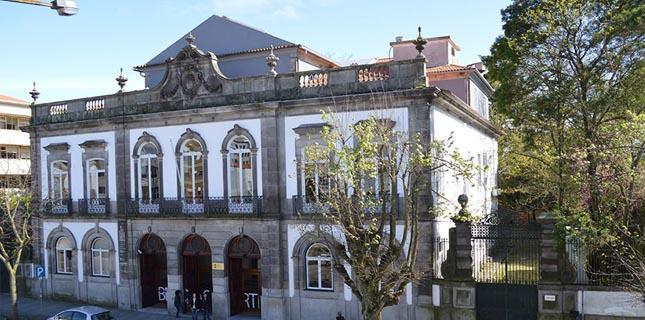
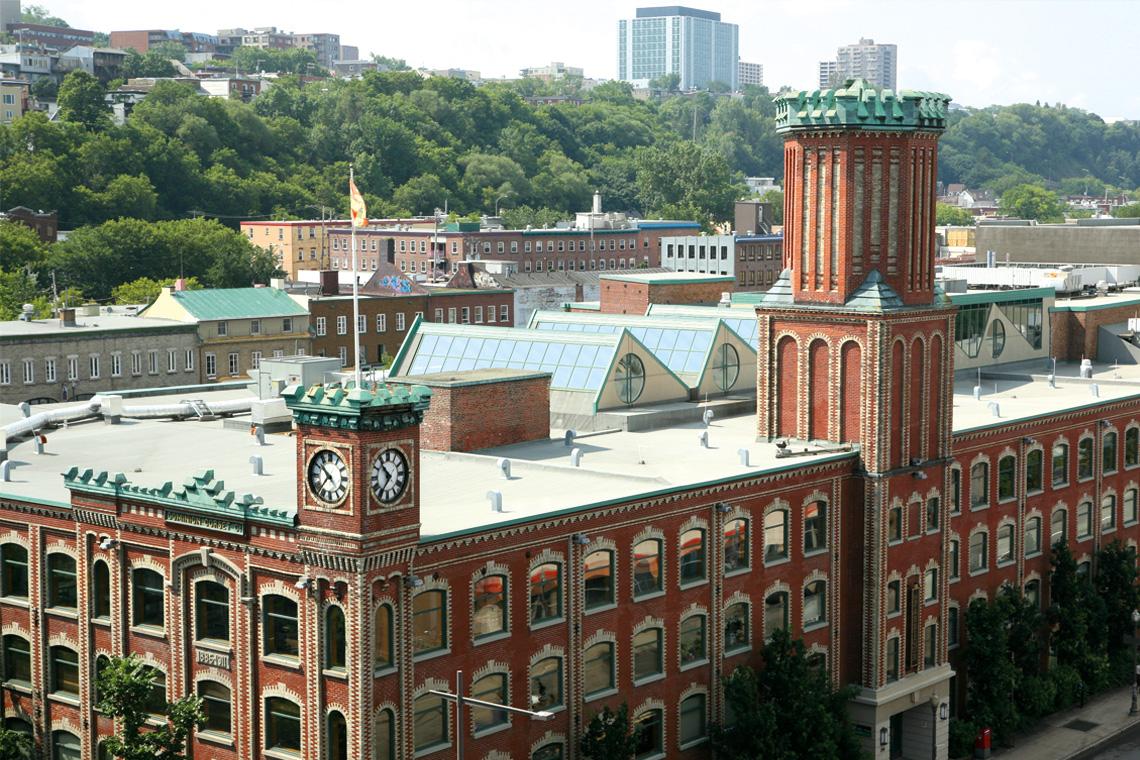
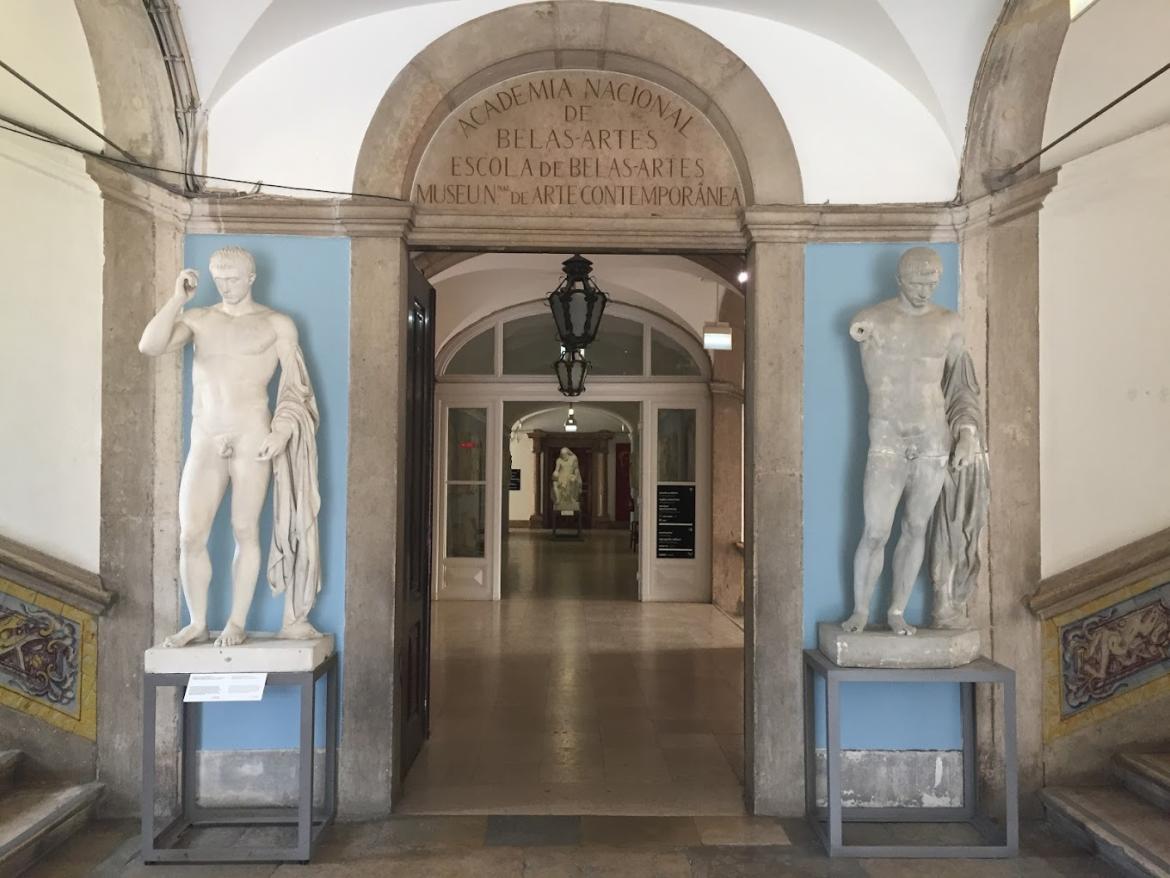
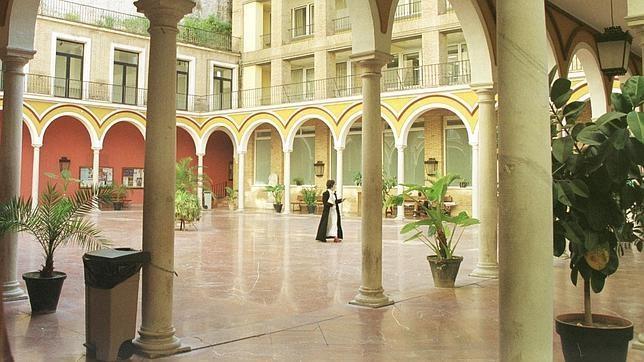
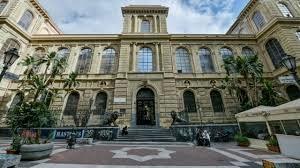
Institutions partenaires
Image
Image
Image
Image

Image

Image
Image
Image
Image
Image
Image
Coming on an exchange mobility
Programs: ERASMUS +, B.C.I, O.F.A.J...
Please send us your complete application by email, including the following documents :
Academic year
Application deadlines
Language level
General information
- Exchange students have the same student status as those enrolled at the Nantes Saint-Nazaire School of Fine Arts
- No registration fee will be charged to exchange students, except for the purchase of the 5€ entrance badge.
- Registration for French Social Security: https://etudiant-etranger.ameli.fr/#/
- Classes are held entirely in French, except for English and Korean classes.
Course Y2
Course M1
Scoring grid
Image
Image
Projections (inter)nationales
Objectives
Issues
-


Image
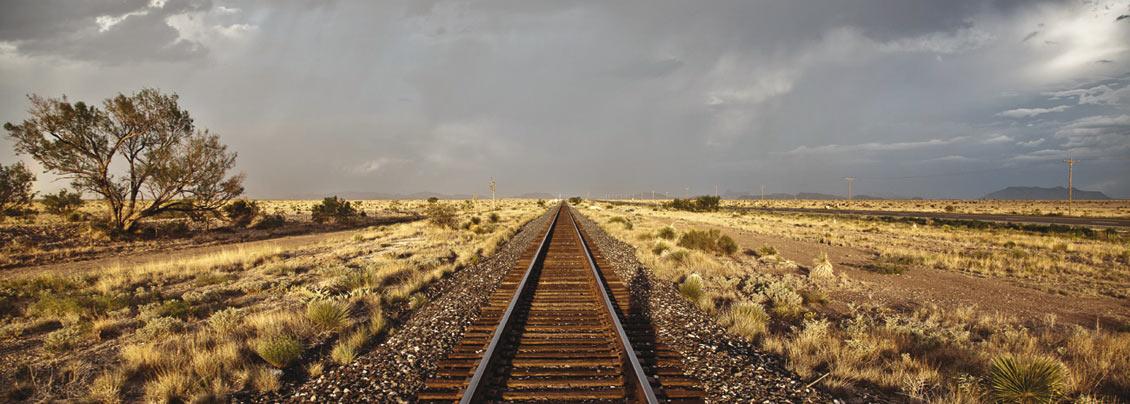
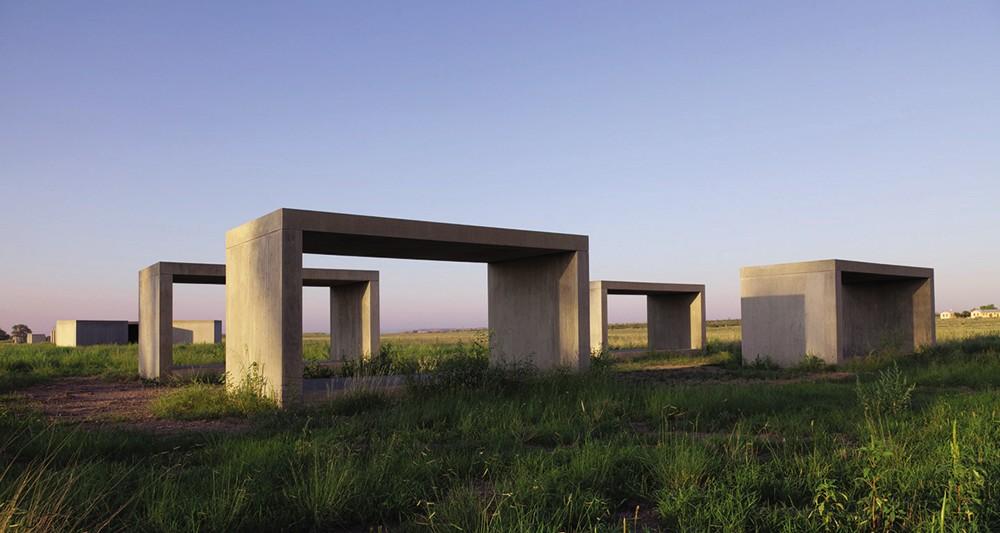
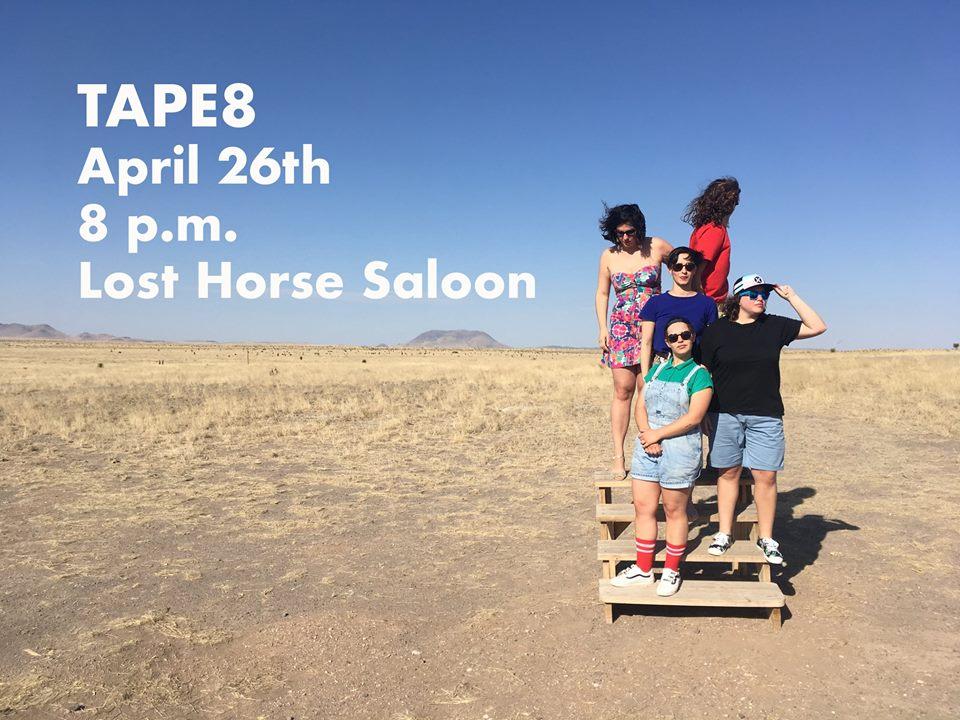
Fieldwork: Marfa
Un espace-atelier à ciel ouvert pour des projets artistiques à l’échelle 1
Photo Charles Stankievech
Image
Marfa TX
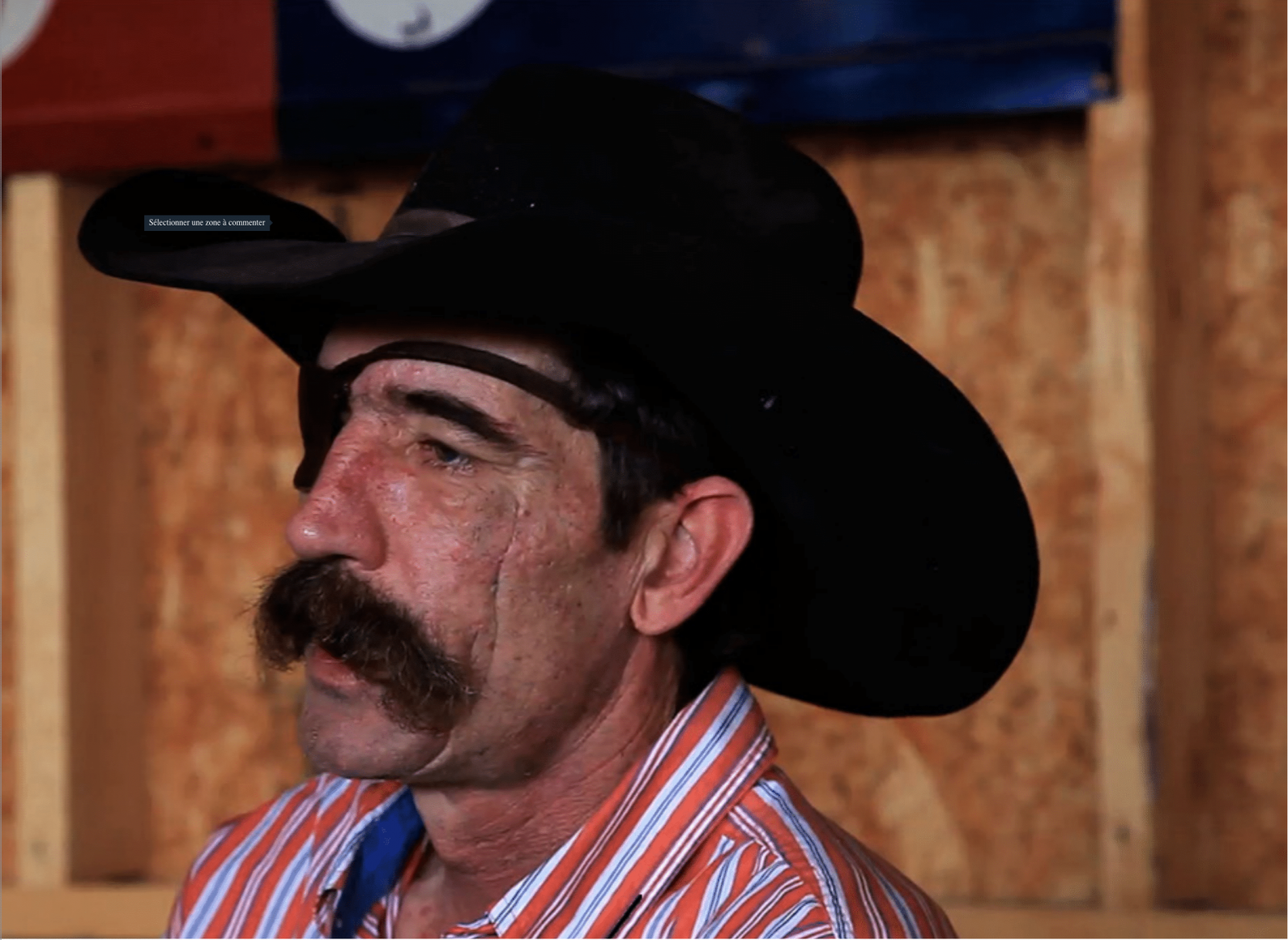
Lost Horses, 2012, avec Ty Mitchell. Film couleur, sonore, 38 min
Production École supérieure d’art de Clermont Métropole
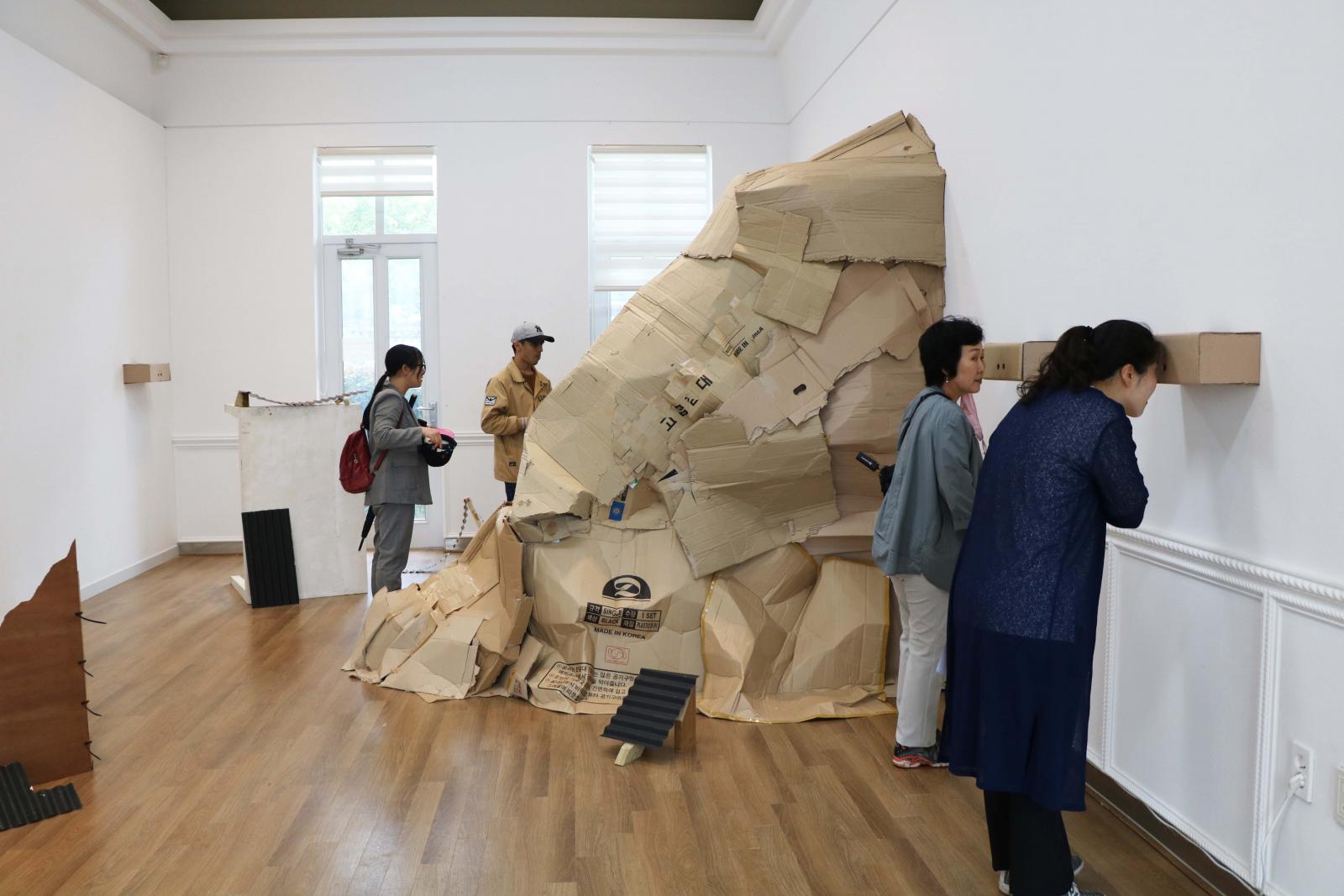
Image

Image

Image

-
- aucun texte saisi -
Image

Desert Unit for Speculative Territories
-
- aucun texte saisi -
Image
Presences of the Future
-
- aucun texte saisi -
Image
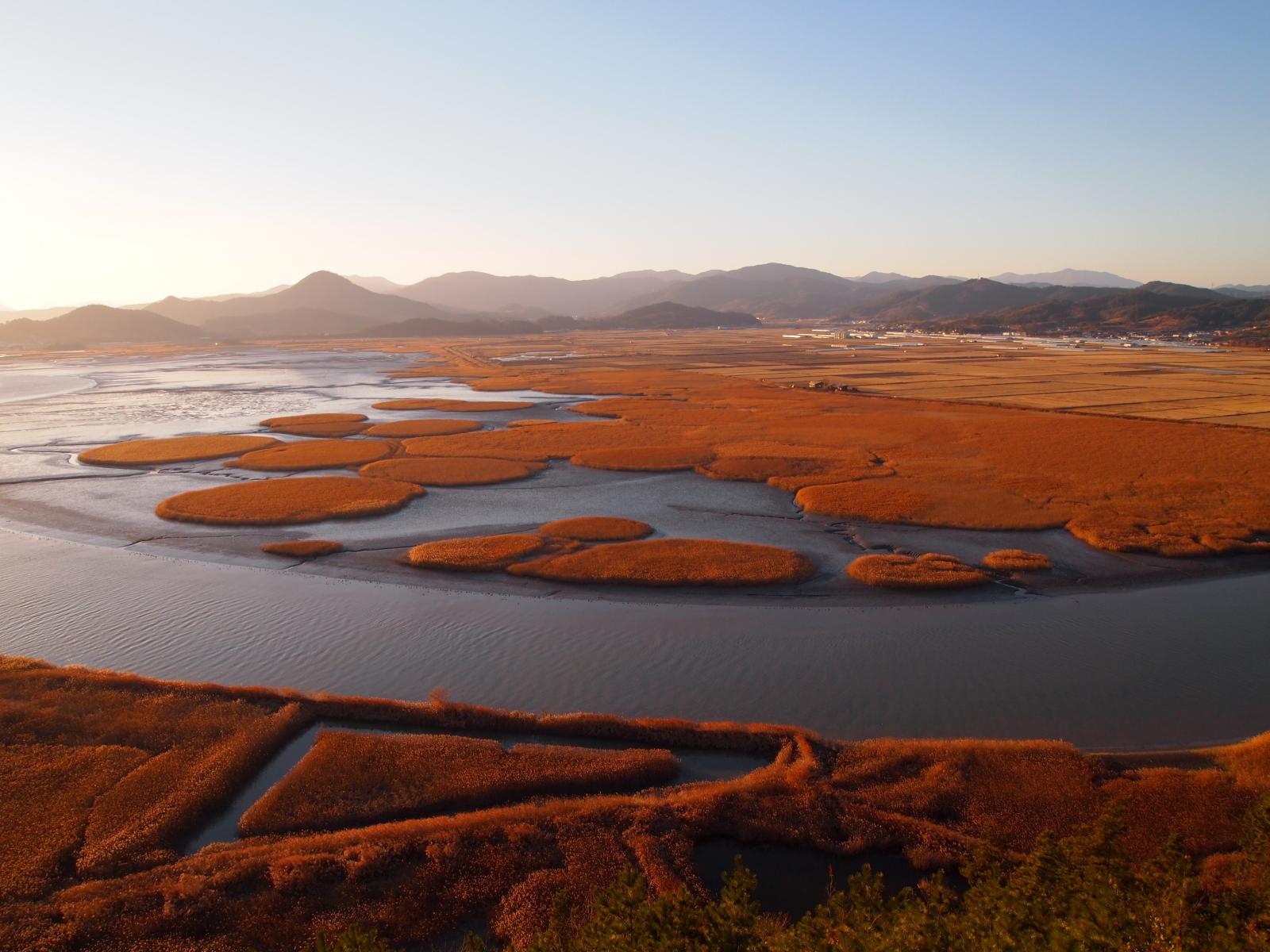
Where we are - one landscape after another
-
- aucun texte saisi -
Image
Research and production are carried out by artists and researchers during residencies, involving the production of pedagogical devices or artistic events. The studios are intended for master's students (transdisciplinary and experimental teaching methods).
- aucun texte saisi -
- aucun texte saisi -